
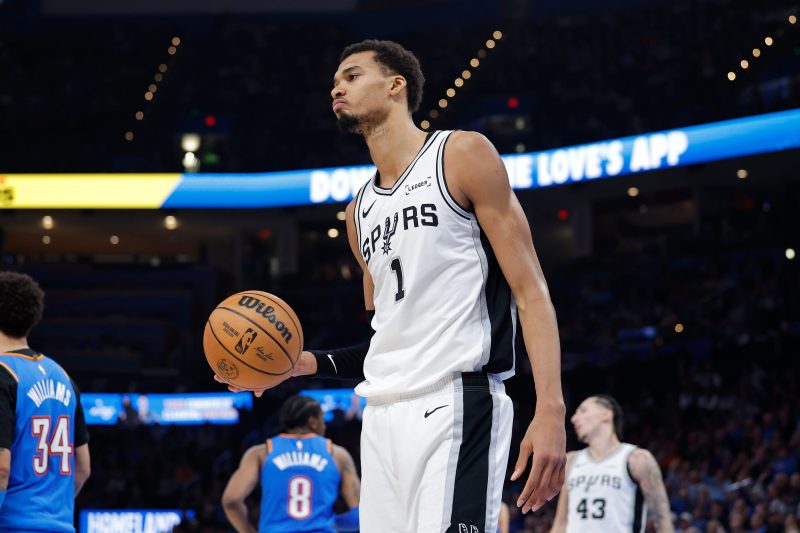
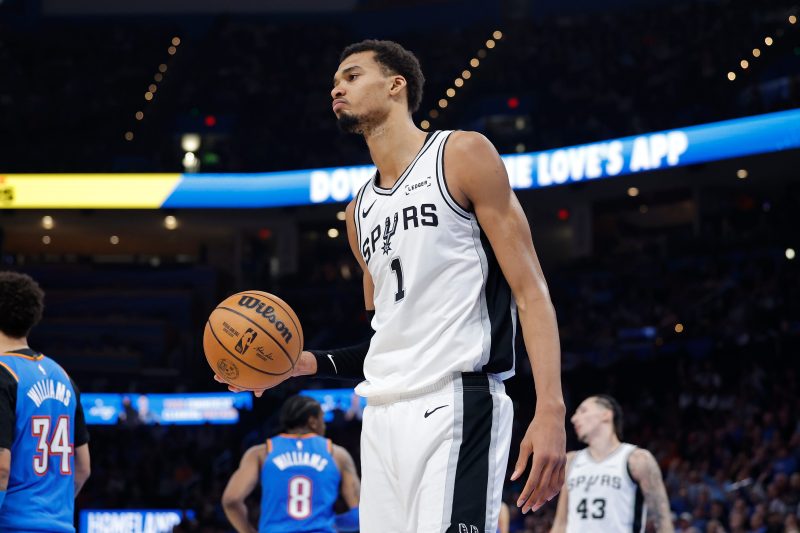
It’s not bold to say the NBA’s intrigue in Europe is large right now. Fifteen percent of players currently in the NBA are European. Furthermore, three of the league’s top-five preseason MVP favorites were European — Luka Dončić, Nikola Jokic and Giannis Antetokounmpo. I haven’t even mentioned San Antonio’s young superstar Victor Wembanyama.
All this is to say that it should come as no surprise that the NBA is looking to enter the European market. In December, the NBA, alongside FIBA, announced that they are moving forward with plans to introduce a new league in Europe as early as 2027, claiming that they would begin speaking with teams and owners interested in joining the league in January.
USA TODAY Sports reached out to the NBA to get updates on the unnamed European league. Here’s what to know:
What will the league entail?
Leah MacNab, NBA Senior Vice President and Head of International Strategy, told USA TODAY Sports, ‘We are planning to launch a 16-team league with 10 permanent teams and at least four rotational spots.’
MacNab expanded, claiming that the rotational spots will work similarly to the relegation system many European soccer leagues use.
‘It is a very European system,’ said MacNab. ‘We want to introduce a merit-based pathway into the league so that even teams in lower leagues can have the opportunity to play at the highest level of competition.’
According to MacNab, the 10 permanent teams will never fall out of the league. The rotational spots, meanwhile, will give more teams and players the opportunity to play on the largest stage, which will help expand the basketball market and share the rising interest with other teams that normally wouldn’t get such exposure.
Are there any teams currently lined up?
Not currently.
Although early reports claimed that the NBA would start speaking to teams and owners this month, MacNab claims that no such conversations have happened. MacNab even claimed that if the NBA had already begun speaking with teams, it would have been ‘unlawful.’ The process for finding teams to fill the league will begin soon, but has not begun.
Why are they choosing to start this league now?
Basketball is growing in popularity in Europe. That’s the bottom line. According to National Media Partnerships and International Communications Lead Mark Pozin, basketball has become the second-most popular sport in Europe with over 270 million fans across the continent. Furthermore, the top two most-viewed players globally on NBA social media are European: Luka Dončić (Slovenia; 845M+ views; 1st overall) and Victor Wembanyama (France; 708M+ views; 2nd overall).
Pair those popular players with the NBA playing two games in Europe as well, and there’s plenty of reason to believe the NBA could expand its market substantially with a league across the Atlantic.
Will we see NBA teams in Europe soon?
MacNab was intrigued by this idea but said that such a concept is still a long ways away. The league is not considering that an option for the near future. That said, even Americans have become more intrigued with international basketball. After all, this year’s All-Star Game bears the theme of USA vs. the world.
As it stands, future plans including more international preseason games, with potential matchups between NBA squads and teams in the newly formed European league. MacNab also hinted that tournaments between the two leagues could be in play as well, although details on the tournament, such as time of year, format, etc. are still in the works.
Will this affect NBA teams’ ability to sign international players?
It does not appear so. According to MacNab, most of the systems currently in place will remain in place until further notice. When asked whether or not an NBA-backed league in Europe could persuade some players to remain home rather than travel to the United States to play in the NBA, MacNab admitted that it was a possibility.
Per MacNab, the salaries in the NBA will still be larger, which will likely push many players into the NBA, but ultimately it will be up to the player to determine what they want from their basketball career and whether or not staying in Europe is in their best interest.